




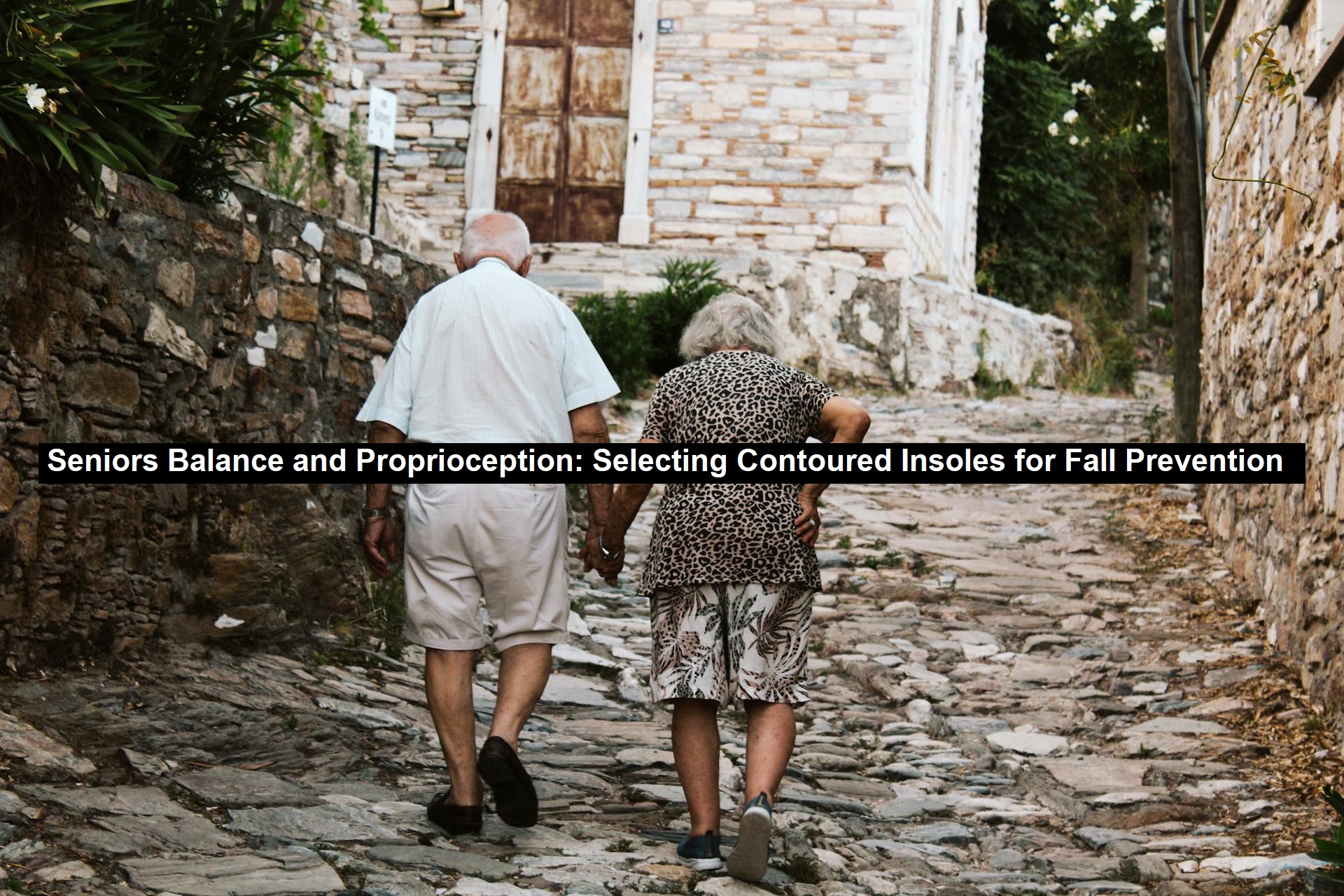
As we age, maintaining physical independence and mobility becomes a central goal for healthy living. However, one of the most significant threats to senior independence is the risk of falling. According to data from the Centers for Disease Control and Prevention, falls are the leading cause of injury among adults aged 65 and older. While many fall prevention programs focus on muscle strengthening, vision correction, and lighting adjustments in the home, one critical element is often overlooked: the relationship between the foot and the ground.
Our feet are the body’s primary sensory interface with the physical world. The mechanism that allows us to walk across uneven carpet, stepping stones, or slick grass without looking down is known as proprioception. Proprioception is the nervous system’s ability to perceive joint position, movement, and ground reaction forces.
Maintaining proper foot alignment and enhancing proprioceptive feedback through structured arch contours is a foundational, yet highly effective, strategy for preventing senior falls.
Read: What Are Number One, Secondary And Tertiary Stages Of Care?
Proprioception and the Aging Foot
Inside the soles of our feet are thousands of specialized sensory receptors called mechanoreceptors. These receptors detect tiny shifts in pressure, tilt, and impact as we stand or walk, sending real-time data to the brain to coordinate balance and prevent tipping.
As we grow older, two physiological changes impair this feedback loop:
- Sensory Decline: The density and sensitivity of foot mechanoreceptors naturally decrease, meaning older adults require larger shifts in balance before their brain registers the movement.
- Structural Collapse: The longitudinal arch of the foot tends to flatten over time as tendons lose their elasticity. A collapsed or flat arch causes the foot to pronate excessively, rolling inward. This structural misalignment shifts the body’s center of gravity and reduces the stability of the ankle joint, making sudden slips much harder to recover from.
When the arch collapses, the surface area of the foot bed does not interact efficiently with the ground. This muddy sensory signal prevents the brain from making rapid, micro-adjustments to muscle tension in the calves and ankles, increasing fall risk.
How Structured Arch Contours Improve Proprioception
Many seniors turn to heavily cushioned athletic shoes in search of comfort. However, standing on ultra-soft memory foam is biomechanically similar to standing on a soft mattress; it destabilizes the foot and dampens sensory feedback, making balance more difficult to maintain.
To optimize proprioception and stability, the foot requires firm, structured support. Upgrading footwear with structured arch contours helps restore balance in several key ways:
- Enhancing Contact Area: A contoured arch support fills the physical gap beneath the mid-foot. By ensuring the entire sole of the foot—including the arch—makes contact with the footbed, pressure is redistributed evenly. This increases the total surface area sending sensory signals to the brain.
- Stabilizing the Ankle: Rigid or semi-rigid arch contours act as a physical stabilizer. They prevent the heel and ankle from rolling inward (overpronation) or outward. Keeping the heel in a neutral, upright position secures the ankle joint and provides a stable foundation for the lower leg.
Redistributing Ground Reaction Forces: By preventing arch collapse under weight, structured contours help keep the body’s center of gravity centered. For more details on protecting foot structure under dynamic loads, consult VALSOLE’s foot pain relief guide.
Footwear Guidelines for Senior Balance
To proactively reduce fall risks, older adults should evaluate their daily footwear against these safety standards:
- Stiff Heel Counter: The back of the shoe surrounding the heel should be rigid and not collapse when pressed inward. A stiff heel counter keeps the heel locked into place, preventing lateral slips.
- Minimal Midsole Flex: The shoe should only bend at the toe box (where your toes flex naturally), never in the middle under the arch. A shoe that twists easily in the center lacks the structural integrity to support balance.
- Upgrade to Contoured Support: Replace flat, flexible factory insoles with structured inserts that feature a firm arch support. This simple upgrade immediately improves sensory feedback and structural stability.
Taking care of your feet is the first step in taking care of your overall balance. In addition to supportive footwear, you can explore other wellness guides on SeniorsWelfare.com to learn about low-impact exercises and safety modifications for active seniors.
Author’s Bio:
Ethan Lin is a footwear biomechanics specialist and regular contributor to VALSOLE, where he researches the role of structured orthotic support in active aging and mobility.